A home EV charger typically costs £999 to £1,299 installed and takes four to six hours to fit. This guide explains how installation works, the difference between tethered and untethered chargers, what your electrics need to support one, and why the work should always be carried out by a qualified electrician.
Switching to an electric car is one of the biggest changes a household can make, and having your own charge point at home is what makes it genuinely convenient. Instead of planning journeys around public chargers, you plug in overnight and wake up to a full battery. But a home charge point is a permanent electrical installation, not a plug-in gadget, so it pays to understand what the work involves. This guide walks you through how an EV charger is fitted, the choices you will need to make, and what to look for in the electrician who does it.
How Installation Works
A home EV charger installation is a planned, methodical job. Here is what a typical fit involves from first visit to final test.
- Survey and assessment: Before any work begins, your electrician looks at your incoming supply, your consumer unit (fuse board), and the route the cable will take. This confirms your home can support a charger and where the unit is best mounted.
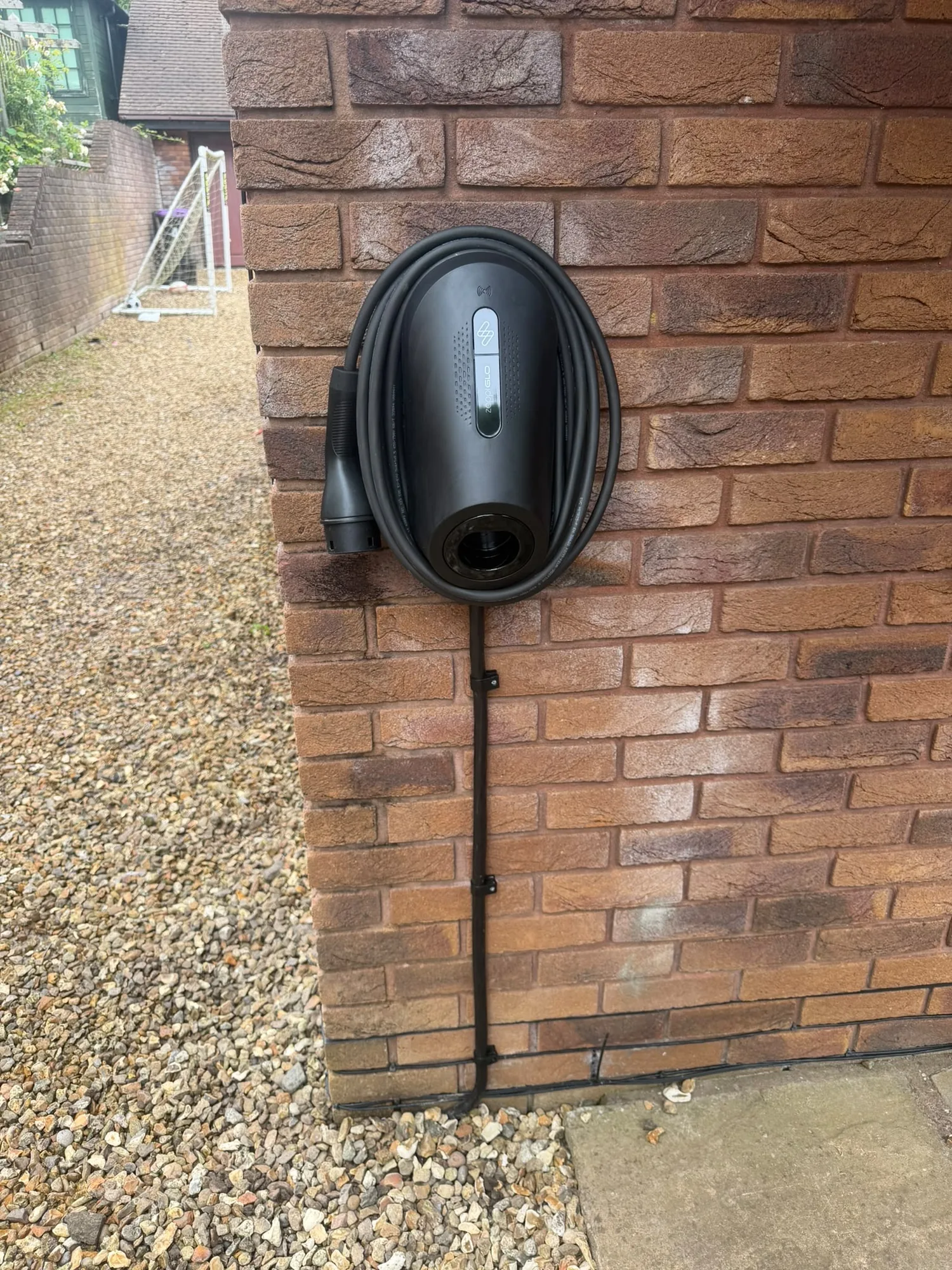
- Planning the cable run: The charge point needs its own dedicated cable back to the consumer unit. A good installer plans a neat, discreet route, keeping surface cabling to a minimum and clipping it tidily where it cannot be hidden.
- Fitting the unit: The charger is mounted securely to the wall at a sensible height, usually near where you park. It is wired on its own circuit with the correct protection.
- Protection and earthing: Modern chargers must be installed with proper fault protection and earthing arrangements. This is a core part of the job and is not optional.
- Testing and certifying: Once fitted, the installation is tested, the charger is commissioned, and you are given the paperwork that proves the work was done to standard.
Throughout, a tidy installer will protect your floors and surfaces and clear up after themselves, leaving you with a clean, finished job.
Tethered vs Untethered
One of the first decisions you will make is whether to have a tethered or an untethered charger. Both do the same job, so the right choice comes down to how you like to use it.
- Tethered chargers: These come with the charging cable permanently attached to the unit. You simply unwind the cable and plug it into your car. They are quick and convenient day to day, with no separate cable to fetch or store, though the attached lead is a fixed length and matched to one connector type.
- Untethered chargers: These have a socket on the unit instead of a fixed cable. You use your own portable cable, which you unplug and store when finished. This keeps the unit tidy, lets you swap cables if you change cars, and can suit homes where the parking spot varies.
For most households that park in the same place every day, a tethered unit is the more convenient choice. If you value a cleaner look on the wall or want flexibility for the future, untethered is worth considering. Your electrician can talk you through which suits your driveway and car.
Thinking About a Home Charge Point?
Call Edwards Electrical on 07714 678 344. We provide free, honest quotes for EV charger installation across Pontypool and South Wales.
Call for a Free QuoteWhat Your Electrics Need
An EV charger draws a steady, sustained load, so your home's electrics need to be up to the job. During the survey, your electrician checks a few key things.
- Spare capacity on your supply: Most homes can support a standard 7kW charger, but your installer confirms your main fuse and supply can handle the extra demand alongside everything else in the house.
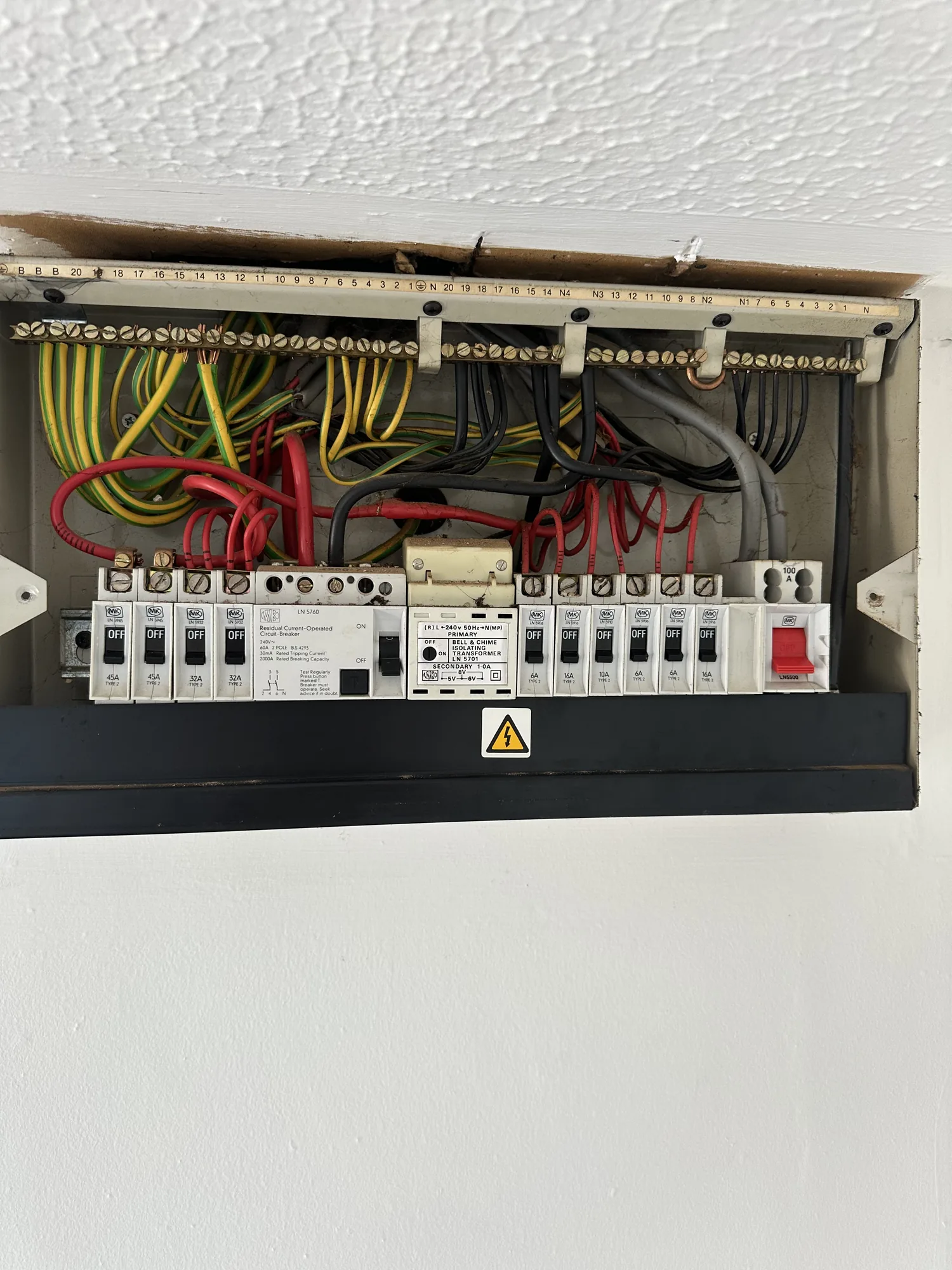
- The condition of your consumer unit: The charger needs its own protected circuit. If your fuse board is old, full, or lacks modern protection, it may need attention before a charger can be added safely.
- Earthing arrangements: Outdoor charging equipment has specific earthing requirements to keep you safe. Your electrician will make sure the correct arrangement is in place.
- The cable route and mounting point: The distance between your consumer unit and where you park affects the cable run. A longer or more awkward route can add a little time to the job.
If any of this needs bringing up to standard first, a good electrician will tell you plainly and quote for it separately, so there are no surprises.
Cost and Timescale
At Edwards Electrical, a home EV charger installation typically costs between £999 and £1,299, and most jobs are completed in four to six hours.
- What sets the price: The unit you choose, the length and complexity of the cable run, and any work needed to your consumer unit or earthing all affect the final figure. A straightforward fit near the fuse board sits at the lower end.
- What is included: A proper quote covers the survey, the charger, the dedicated circuit and protection, mounting, testing, and certification. Ask any installer to confirm all of this is included so you can compare like for like.
- Timescale on the day: A typical single-charger installation is a same-day job. More involved runs or additional board work can extend this, and your electrician will make that clear when they quote.
We provide clear, itemised quotes with no hidden charges, so you know exactly what you are paying for before we start.
Why Use a Qualified Electrician
An EV charger is a high-power circuit installed on the outside of your home, often within reach of anyone passing. Fitting it correctly matters, which is why the work should always be done by a qualified electrician.
- Safety: A charger installed with the wrong protection or earthing can put you at risk of electric shock. A qualified electrician installs it to the current wiring standards so it is safe to use in all weathers.
- Notification and certification: This type of installation must be carried out and certified properly. A qualified installer issues the correct paperwork, which you may need for warranties, insurance, or when you sell your home.
- Doing it once, doing it right: A properly surveyed and installed charger works reliably for years. Cutting corners can mean nuisance tripping, a unit that will not deliver full power, or work that has to be redone.
- Honest advice: A good local electrician recommends the right unit for your car and driveway rather than the most expensive option, and tells you straight if any prior work is needed.
Always check your installer is qualified and insured before they start, and ask to see the certification when the job is finished.
Frequently Asked Questions
Most home EV charger installations take four to six hours and are completed in a single visit. A simple fit close to your consumer unit is at the quicker end, while a longer cable run or extra work to your fuse board can take a little longer.
If you park in the same spot every day and want the simplest option, a tethered charger with its cable permanently attached is usually the most convenient. If you prefer a tidier unit on the wall or want flexibility for a future car, an untethered charger that uses your own portable cable is a good choice. We can advise on which suits your setup.
The great majority of homes can support a standard 7kW charge point. During the survey we check your incoming supply, consumer unit, and earthing to confirm everything is suitable. If any part needs bringing up to standard first, we will tell you clearly and quote for it separately.
No. An EV charger is a high-power circuit with specific protection and earthing requirements, and the work must be carried out and certified by a qualified electrician. A correctly installed and certified charger is safe to use, works reliably, and gives you the paperwork you may need for warranties, insurance, or selling your home.